Blog
Why You Can’t Find a Baby Food Jar Replacement Lid (And Why Starbucks Bottles Are the Same)
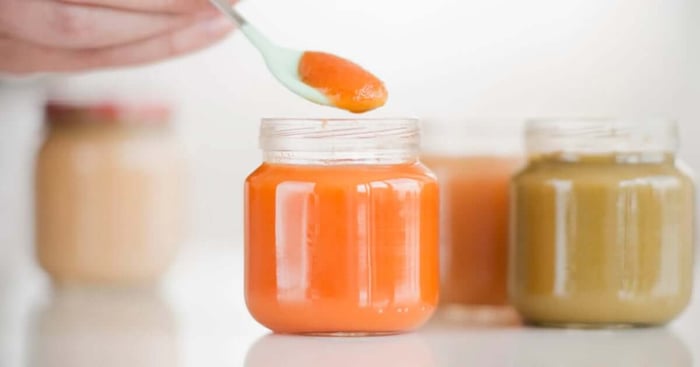
The phrase baby food jar replacement lid is something many people search for after opening a glass baby food jar and deciding to reuse it. The jars are strong, compact, and perfectly sized for small storage. It feels natural to assume that extra lids should be available for purchase.
However, many glass baby jar foods use a specialized vacuum closure system that is engineered for one-time commercial sealing. These lids are not designed like traditional screw caps with visible threads or lugs. Instead, they rely on a heat-activated sealing process that occurs during production.
How These Glass Baby Food Jar Lids Actually Work
Some premium glass baby food jars use metal vacuum closures that are applied by pressing them onto the jar — not by screwing them onto pre-formed threads.
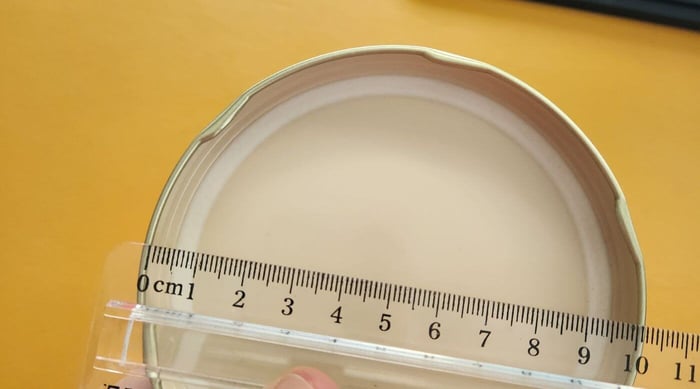
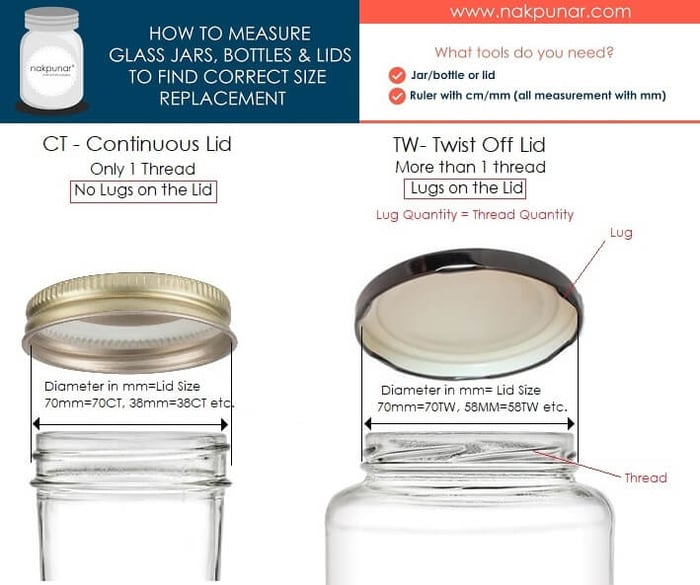
Before sealing, the metal shell of the lid may appear smooth inside. There are no traditional metal threads or twist-off lugs stamped into the cap the way you might see in a standard continuous thread (CT) closure.
Instead, the sealing system relies on a plastisol (PVC-based) compound that lines the inside side-wall of the lid.
The Factory Sealing Process
- The jar is filled with hot food.
- The metal lid is pressed onto the glass finish.
- The jar passes through pasteurization or retort processing.
- Heat softens the plastisol sealing compound.
- The softened plastisol conforms tightly to the glass finish.
- As the jar cools, a vacuum forms inside.
- The plastisol hardens in the exact shape it formed during sealing.
Because the plastisol compound softens and molds during heating, it effectively creates the gripping engagement needed for twist-off removal later. The vacuum and cooling process lock that formed seal in place.
This is why it may appear that “threads” were created — but what actually formed is the plastisol gasket conforming to the glass finish during processing.
Why Replacement Lids Are Not Available
Replacement lids are not typically sold for these jars because the sealing performance depends on factory conditions.
To recreate the original seal, you would need:
- Controlled heating to activate the plastisol
- Precise pressure during application
- Vacuum formation during cooling
- Exact compatibility with the specific glass finish
Simply placing another lid on the jar cannot reproduce the same seal. Once the jar is opened and the vacuum is broken, the original food-safety sealing process is complete.
For this reason, these closures are considered one-time-use vacuum lids for commercial packaging.
Are These Jars One-Time Use?
The vacuum sealing function is one-time use.
However, the glass jars themselves are absolutely reusable for many practical purposes. They remain high-quality glass containers that can be repurposed in creative and functional ways.
Creative Ways to Reuse Glass Baby Food Jars
- Craft storage
- Buttons and beads
- Spices for short-term storage
- Glitter or pigments
- Mini gift packaging
- Decorative displays
- DIY candle holders
- Sample containers
While the original lid can still close the jar for light storage, it will not recreate the commercial vacuum seal once opened.
If You Need Jars with Replaceable Lids
If your goal is to have containers where you can easily purchase additional lids later, it is best to choose packaging systems designed for that purpose from the beginning.
For example, you can explore:
- Glass jars with standardized finishes
- Continuous thread caps
- Standard twist-off (lug) lids
- Glass bottles with replaceable closures
These systems are intentionally engineered so that lids can be purchased separately and replaced without requiring heat activation or vacuum processing.
Understanding the Difference Between Vacuum Closures and Standard Screw Caps
It is helpful to understand the distinction between commercial vacuum closures and standard consumer-replaceable caps.
Standard screw caps:
- Have clearly defined threads or lugs.
- Are designed for repeated opening and closing.
- Do not depend on heat-activated sealing compounds.
- Are easily replaced.
Vacuum press-on closures used in baby jar foods:
- Rely on plastisol side-wall sealing.
- Activate during pasteurization or retort.
- Form a seal under heat and vacuum.
- Are engineered for one-time commercial sealing.
This difference explains why a baby food jar replacement lid is not typically available for purchase.
Final Thoughts
Replacement lids for glass baby jar foods are not commonly sold because the original closures rely on heat-activated plastisol sealing and vacuum formation during commercial production. The metal shell itself does not function like a traditional threaded screw cap. Instead, the sealing engagement is formed during the factory process.
Once opened, that seal cannot be recreated at home. The jars remain reusable and practical for many storage and craft purposes, but the vacuum sealing function is designed for single-use commercial food safety.
If you need containers with easily replaceable lids, choosing standardized closure systems from the start is the most reliable solution.
If you need jars designed for replaceable lids, explore our collection of continuous thread glass jars, continuous thread caps, and standard twist-off lids at Nakpunar.