Blog
Best Glass Jars for Canning, Jam, Honey, and Sauces – Expert Guide
Table of Contents
How to Choose the Best Glass Jars for Canning
Choosing the best glass jars for canning and preserving can make a big difference in food safety, shelf life, and how easy your products are to use. Many home preservers prefer traditional mason jars for canning because they are designed to create a reliable seal and are widely used for jams, sauces, pickles, and other preserved foods.
After many years working with jars, bottles, and closures at Nakpunar, we regularly help customers solve the same issues. The most common problems are choosing the wrong lid, misunderstanding jar sizes, or selecting a jar shape that does not work well with the product.
Understanding a few key details can help you choose the right jar the first time.
Start With the Product You Are Filling
When customers ask us about the best glass jars for canning, we always start by asking what they plan to fill in the jar.
The product determines the best jar shape and opening size.
For example, if you are packaging body butters or thick creams, customers must be able to reach inside the jar easily. A wide mouth, low profile jar works best because the product can be scooped out without difficulty.
If you are packaging delicate foods like caviar or specialty spreads, jars with corners are not ideal. Food can get stuck in the corners, making it difficult for customers to remove everything from the jar.
Many food producers prefer round jars or straight sided jars because they allow the product to be used completely without waste.
The Most Common Mistake: Choosing the Wrong Lid
The biggest mistake people make when buying jars is not the jar itself.
It is the lid.
Many people reuse older jars and try to find replacement lids. The challenge is that jar closures are measured in millimeters, while most people in the United States measure using inches.
For example:
A lid labeled 100TW means the inside diameter of the lid is 100 millimeters.
Because of this metric system difference, customers often struggle to determine which lid fits their jar.
There is also confusion between the two most common closure systems.
Lug (Twist Off) Lids
These lids close with a partial twist and lock onto small glass lugs on the jar neck.
Continuous Thread (CT) Lids
These lids screw onto threaded jars and require several turns to tighten.
These two systems are completely different and cannot be used interchangeably.
Why Food Grade Glass Jars Matter
When jars are used for food products, safety and quality are extremely important.
In the United States, glass jars used for food packaging must meet strict regulations. Even when jars are manufactured overseas, reputable suppliers often use American molds and testing procedures to ensure the glass meets U.S. standards.
Glass production requires large manufacturing runs. A single production run can require 200,000 pieces of one jar style.
Samples from the production run are sent to independent laboratories for testing to confirm they are food safe.
Businesses that sell products in stores or use commercial filling companies are often required to show proof that their containers meet these safety standards.
This is why many producers prefer purchasing jars from trusted American suppliers.
In the end, the best glass jars for canning are the ones that match your product, seal properly with the correct lid, and are easy for customers to use.
Understanding Jar Size vs Product Density
Another common misunderstanding involves density.
Jar size describes volume, but the weight of the product inside depends on the density of the ingredient.
For example:
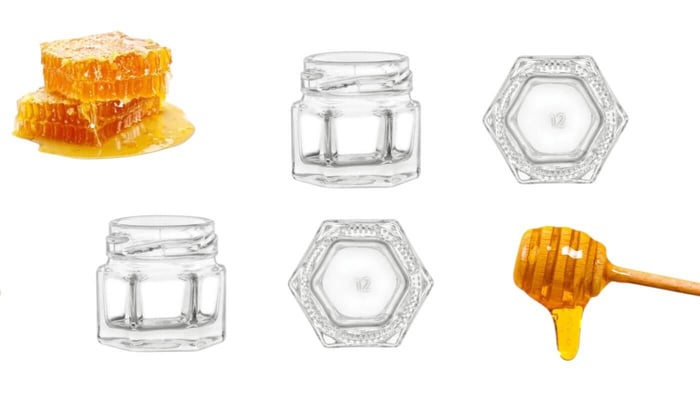
A 12 oz jar typically holds one pound of honey because honey is dense.
However, a 4 oz spice jar may only hold about one ounce of dried herbs. Herbs are light and bulky, so they take up more space.
Customers sometimes believe the jar size is incorrect, but the difference is simply due to the density of the product.
Most Popular Jar Sizes for Home Preserving
Certain jar sizes are commonly used for specific products.
Jam and Jelly Jars
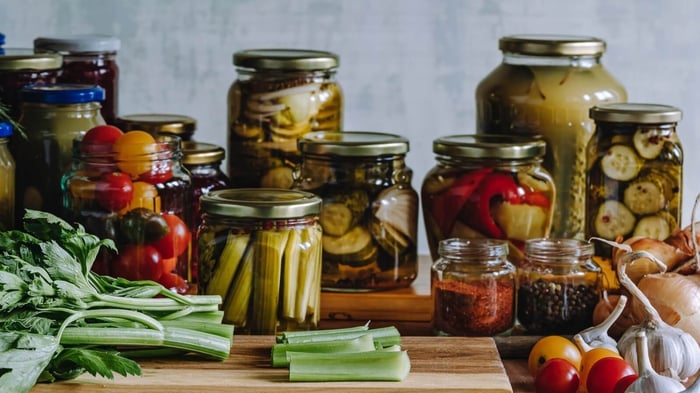
Small producers often use jars up to 9 oz for jams and jellies. Smaller jars are easier to sell and perfect for gift sets.
Honey Jars
A 12 oz jar is one of the most popular choices because it holds one full pound of honey.
Sauce and Syrup Bottles
Sauces and syrups vary depending on the recipe. Spicy sauces are often packaged in 5 oz to 10 oz bottles since customers usually use smaller portions.
Mason Jars
Many home preservers choose different sizes of Mason Jars depending on what they are packaging. Smaller jars work well for jams and gift sets, while larger jars are ideal for pickles, sauces, and bulk food storage.
Sampler and Gift Sets
Small containers work best for sampler collections. Many producers use 50 ml bottles or about 45 ml jars for tasting sets.
Choosing the Right Jars for Your Business or Kitchen
Glass jars have been used for food preservation for generations because they are durable, reusable, and food safe.
The best jar is not simply the one that looks attractive. The best jar is the one that fits the product, seals correctly, and is easy for customers to use.
When choosing the best glass jars for canning, consider:
• Product Type And Density
• Jar Shape And Opening Size
• Lid Compatibility
• Food Safety Requirements
• Customer Usability
Find Quality Glass Jars at Nakpunar
At Nakpunar, we offer a wide variety of glass jars, bottles, and closures for home canning, small businesses, and food producers.
Customers choose Nakpunar because they can:
• Purchase Even One Jar Or Lid With No Minimum Order
• Find Hard To Match Lid Sizes
• Choose From Many Jar Styles And Sizes
• Get Help Selecting The Right Jar And Closure
Explore our collection of jars and bottles here:
https://www.nakpunar.com
Whether you are making jam, bottling honey, packaging sauces, or creating sampler gift sets, the right jar makes all the difference. The best glass jars for canning are the ones that match your product, seal correctly with the right lid, and are easy for customers to use.
FAQ
What are the best glass jars for canning at home?
The best glass jars for canning are jars that seal properly, use compatible lids, and match the product you are preserving. For jams and jellies, jars up to 9 oz are common. Honey is often packaged in 12 oz jars because it holds one pound.
Can I reuse glass jars for canning?
Yes, glass jars can be reused as long as they are not cracked or chipped. However, the lid and sealing compound should usually be replaced to ensure a proper seal.
What size jars are best for jam and jelly?
Many producers prefer jars between 4 oz and 9 oz. Smaller jars are easier to sell and are perfect for gifts or sampler sets.
Why are jar lids measured in millimeters?
Most glass jar closures use metric measurements. For example, a 100TW lid means the inside diameter of the lid is 100 millimeters.