Blog
Corks and Stoppers: T-Bar Bottle Stoppers vs. Natural Corks vs. Glass Bottle Stoppers: Which is Best?
Introduction
T-Bar Bottle Stoppers vs. Natural Corks vs. Glass Bottle Stoppers: Which Corks and Stoppers are Best?
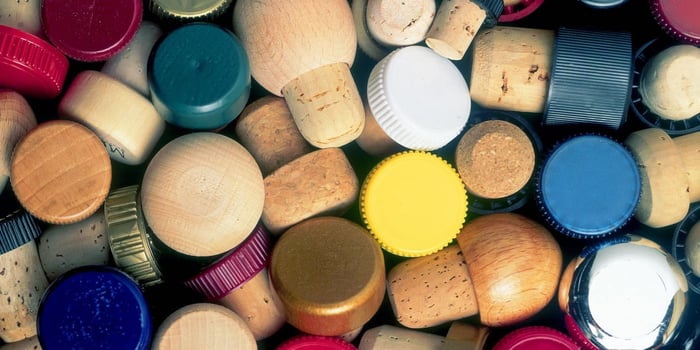
When it comes to sealing bottles, whether for wine, spirits, or even specialty oils and vinegars, the choice of stopper plays a crucial role in preserving the quality of the contents. Corks and Stoppers: T-bar bottle stoppers, natural corks, and glass bottle stoppers are popular options, each with its own set of advantages. In this post, we'll explore the key differences between these three types of bottle stoppers to help you decide which is the best fit for your needs.

1. T-Bar Bottle Stoppers
What Are They? T-bar bottle stoppers typically feature a rubber or synthetic plug attached to a decorative metal T-shaped top, making them easy to handle and remove. These stoppers are often used for liquor bottles and have become a popular choice for resealing wine bottles after opening.
Pros:
- Ease of Use: The T-bar design makes it easy to insert and remove from the bottle. The T-handle provides a good grip, which is especially useful for people with limited hand strength.
- Reusable: Made from durable materials, T-bar stoppers can be used multiple times without significant wear, making them a cost-effective choice.
- Stylish: They come in various designs, which can add a decorative touch to your bottles. This makes them a great choice for gifts or for use in home bars.
Cons:
- Not Suitable for Long-Term Storage: T-bar stoppers are great for short-term use but may not provide the airtight seal necessary for long-term storage of wine or other sensitive liquids.
- Material Interaction: Some T-bar stoppers are made with synthetic materials that may interact with certain types of alcohol over time, potentially altering the taste.
2. Natural Corks
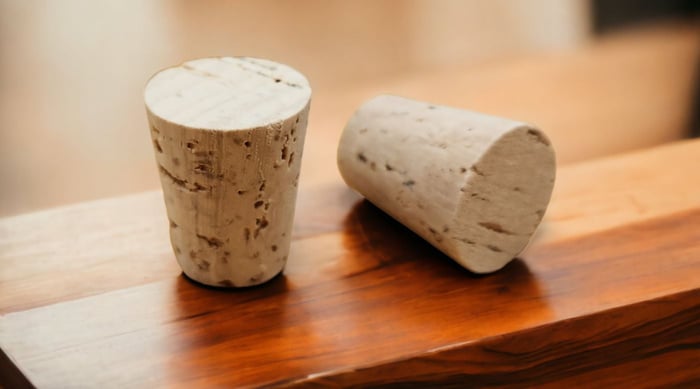
What Are They? Natural corks are made from the bark of the cork oak tree. They have been the traditional choice for sealing wine bottles for centuries. The cork is prized for its elasticity, which allows it to expand and create a tight seal.
Pros:
- Tradition and Aesthetics: Corks have a classic appeal and are associated with quality and tradition in the wine industry.
- Breathability: Natural corks allow a tiny amount of oxygen to interact with the wine, which can help in the aging process of certain wines.
- Biodegradable: As a natural product, cork is environmentally friendly and biodegradable, making it a sustainable option.
Cons:
- Cork Taint: A small percentage of natural corks can develop a compound called TCA, which can spoil the wine and give it an unpleasant odor.
- Not Reusable: Once removed, corks are difficult to reinsert and may not provide a proper seal if reused.
- Cost: High-quality natural corks can be more expensive than synthetic alternatives.
3. Glass Bottle Stoppers
What Are They? Glass stoppers, also known as Vinolok or glass-on-glass stoppers, are made from molded glass that fits snugly into the neck of the bottle. They are sealed with a thin, inert layer to prevent leakage.
Pros:
- Aesthetic Appeal: Glass stoppers provide a sleek, modern look and are often used for high-end wines and spirits. They can add a touch of elegance to any bottle.
- Reusable and Durable: Glass stoppers can be reused multiple times without degradation, and they provide a tight seal that helps preserve the contents of the bottle.
- Neutral Material: Glass is inert and does not interact with the bottle's contents, preserving the original taste and aroma.
Cons:
- Fragility: Glass stoppers can break if not handled carefully, making them less suitable for environments where bottles may be handled roughly.
- Cost: They tend to be more expensive than corks or T-bar stoppers, partly due to their elegant design and manufacturing process.
- Limited Use: Glass stoppers may not fit all types of bottles, limiting their versatility.
Conclusion
The choice between T-bar bottle stoppers, natural corks, and glass bottle stoppers depends largely on your specific needs and preferences. If you seek convenience and reusability, T-bar stoppers are a great choice for everyday use. For those who value tradition and sustainability, natural corks offer a classic feel with a touch of nostalgia. Meanwhile, glass stoppers provide a modern, elegant solution that ensures the purity of the bottle's contents.
Whether you're sealing a fine wine, a cherished spirit, or a bottle of gourmet olive oil, choosing the right stopper can make all the difference in preserving the quality and enhancing the presentation. So, which Corks and Stoppers will you choose?
Please Visit Our Products and Corks and Stoppers product pages:
Glass Jars Plastic Jars Spice Jars Honey Jars Glass Bottles Plastic Bottles Glass Vials Corks & Stoppers
About Us
Nakpunar is New Jersey's top packaging supplier, catering to a wide range of local businesses including distilleries, honey companies, jam jar companies, and candle companies. We also serve individual customers seeking quality packaging solutions at wholesale prices. With no minimum order limits, businesses of all sizes can easily find the packaging they require. Customers can take advantage of our local sales events and warehouse deals for additional savings. Our competitive shipping costs ensure that our products can reach customers worldwide, including US Territories and APO/FPO addresses. Elevate your brand with Nakpunar! Our premium packaging options are food-grade and liquid-friendly, featuring convenient lids for added ease.