Blog
How to Choose the Right Kombucha Bottles for Selling | 2026 Guide
Table of Contents
- Understanding the Unique Demands of Kombucha Packaging
- Essential Bottle Types for Kombucha Sellers: What Actually Works
- Pressure Resistance: Your First Defense Against Bottle Failures
- The Critical Role of Closures and Sealing Systems
- Glass Color and UV Protection: Does It Really Matter?
- Bottle Shape, Size, and Labeling for Retail Success
- Cost Analysis: Balancing Budget with Quality and Functionality
- Common Mistakes That Can Destroy Your Business
- Supply Chain and Sourcing: Planning for Long-Term Success
- Testing and Validation: Making Sure Your Choice Works
- Making Your Final Decision: A Practical Framework
- FAQ
How to Choose the Right Kombucha Bottles for Selling | 2026 Guide
The right kombucha bottle must handle carbonation pressure, resist acidity, provide adequate labeling space, and maintain product quality throughout distribution - with stout bottles and Boston rounds being the most practical choices for commercial kombucha sellers.
Choosing the wrong bottle for your kombucha can turn your fizzy success story into a flat disaster. We've watched countless brands make this mistake.
After 20 years of working with fermented beverage producers at Nakpunar, we've seen kombucha brands make costly packaging mistakes that could have been easily avoided. Some chose beautiful bottles that exploded under pressure. Others picked closures that failed in cold storage. Several had to completely rebrand when their original bottles became unavailable.
Kombucha isn't just another beverage. It's a living, carbonated product that continues fermenting after bottling. This creates packaging challenges that require specific bottle characteristics and closure systems.
This guide covers everything we've learned from helping kombucha producers choose packaging that actually works - from pressure resistance to supply chain reliability.
Understanding the Unique Demands of Kombucha Packaging
Kombucha creates packaging challenges that juice or water don't have. Unlike static beverages, kombucha contains live cultures that keep working after bottling.
This ongoing fermentation creates carbonation pressure that builds over time. Bottles designed for still beverages can crack during storage, which is why selecting a kombucha bottle designed for pressurized beverages is critical. We've seen entire batches lost because producers underestimated this factor.
The acidity in kombucha also affects packaging materials differently than neutral beverages. Closure liners that work with water may degrade when exposed to acidic fermented beverages, so every kombucha bottle must also be paired with closures designed to handle acidity and carbonation together.
Temperature changes during shipping accelerate fermentation, creating even more pressure. Kombucha that seems stable in production can continue evolving during distribution and retail storage, which means every kombucha bottle used for commercial products must tolerate changing conditions during transportation.
These factors mean kombucha bottles need stronger construction, better closure systems, and materials that handle acidic conditions long-term. A properly designed kombucha bottle made for carbonated beverages is essential for product safety and quality.
According to Kombucha Brewers International, the kombucha market continues growing rapidly. This makes choosing the right kombucha bottle and packaging system even more critical for brands competing in retail channels.
Glass thickness, closure compatibility, and pressure ratings that work for decorative containers won't work for commercial kombucha distribution, which is why selecting a reliable kombucha bottle designed for fermented beverages is essential for long-term success.
Essential Bottle Types for Kombucha Sellers: What Actually Works
We've seen kombucha makers use several bottle styles depending on their production scale, branding, and distribution method. Choosing the right kombucha bottle style depends on pressure resistance, labeling space, and how the product will move through distribution.
Stout bottles remain the most popular choice for commercial kombucha. They feature thick glass, short necks, and strong construction that handles carbonation pressure exceptionally well. The wide body provides excellent label space for branding and regulatory information.
Their thick glass construction allows a stout kombucha bottle to manage pressure buildup during fermentation better than decorative containers. The generous label panel accommodates ingredient lists, nutrition facts, and branding elements required for retail distribution.
Stout bottles stack efficiently during storage and shipping, reducing breakage and making warehouse handling smoother. For many producers, the stout kombucha bottle becomes the most practical choice for scaling production.
Boston rounds offer a craft-style appearance that appeals to health-conscious consumers. This kombucha bottle shape is widely used in natural beverage brands because it balances durability with an attractive apothecary-style design. Amber versions provide UV protection, helping preserve flavor and stability in fermented beverages.
The rounded shape creates a classic look, and a Boston round kombucha bottle can be found in clear, amber, and cobalt blue glass, offering branding flexibility.
However, Boston rounds have smaller label panels than stout bottles, which limits space for the required regulatory information on retail products. When choosing a Boston round kombucha bottle, brands often need to design more compact labels.
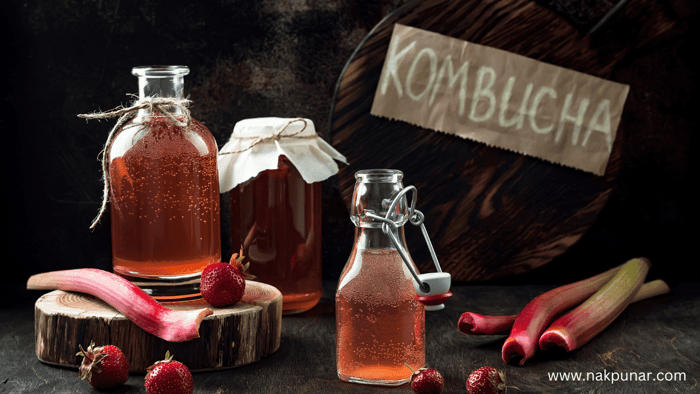
Swing-tops work well for small batch brewers and refill programs. This reusable kombucha bottle style creates an attractive presentation, but it's less practical for large-scale retail distribution due to higher costs and heavier weight.
The ceramic and wire closure system provides excellent sealing for carbonated beverages. A swing-top kombucha bottle works particularly well for direct-to-consumer sales or refill programs where reusability adds value.
For farmers market sales or specialty retail, swing-top kombucha bottles help differentiate products and justify premium pricing.
Remember: kombucha is a live, carbonated beverage. Choosing the right kombucha bottle means prioritizing bottle strength and closure compatibility over appearance alone.
Pressure Resistance: Your First Defense Against Bottle Failures
Kombucha naturally produces carbonation during fermentation, and this process continues after bottling. Understanding pressure buildup is critical for choosing bottles that won't fail during storage or distribution.
Most kombucha generates 2-4 volumes of CO2, similar to beer or champagne. Bottles must handle this pressure plus additional buildup during temperature fluctuations in shipping and storage.
Glass Thickness Requirements
Standard decorative bottles use thinner glass to reduce weight and cost. These may look attractive, but lack the structural integrity needed for pressurized beverages.
Bottles designed for carbonated beverages use thicker glass, particularly in stress areas like the shoulder and base. This prevents cracking when internal pressure increases.
The bottle bottom is especially critical. Flat-bottom bottles develop stress cracks under pressure, while bottles with proper punts (indented bottoms) distribute pressure more evenly.
Warning Signs of Inadequate Bottle Strength
Bottles unsuitable for carbonation show warning signs during testing. Small stress cracks around the neck or base indicate the glass can't handle pressure safely.
Unusually lightweight bottles for their size may use thin glass that's not suitable for pressurized beverages. Compare weights between different options to identify stronger choices.
Testing Methods
Test your chosen bottles with actual kombucha batches before large orders. Fill the kombucha bottles with your standard recipe, cap them properly, and store them at various temperatures.
Monitor bottles for several weeks, checking for stress signs, leakage, or over-carbonation. This reveals problems before they affect customers or retailers.
Some producers work with co-packers who have pressure testing equipment to validate bottle strength scientifically.
The Critical Role of Closures and Sealing Systems
Your closure system is as important as the bottle itself. The wrong closure can ruin perfect bottles and destroy entire batches.
Both plastic and metal caps work for kombucha, but they perform differently in refrigerated environments and with acidic beverages.
Some producers prefer plastic caps because refrigerated environments introduce moisture that may affect metal closures over time. Plastic caps also provide more consistent torque requirements during capping.
Metal caps with proper liners provide excellent sealing for carbonated beverages, but liner materials must be compatible with acidic products stored long-term.
Liner Materials for Acidic Beverages
The liner inside the cap creates the actual seal with your bottle. Different liner materials react differently to acidic beverages like kombucha.
Foam liners work well with acidic products and provide good sealing for carbonated beverages. They compress to create tight seals without being affected by normal acidity levels.
Plastisol liners are another option, but some formulations aren't ideal for long-term contact with fermented beverages. Test liner compatibility with your specific kombucha recipe.
Retail distribution requires tamper-evident closures to build consumer confidence and meet retailer requirements. These show visible signs if someone has opened the product.
Tamper-evident bands that break when caps are removed are common for bottled beverages. These work well with both plastic and metal caps designed for carbonated products.
Your closure system must also work with production equipment. Some capping machines work better with specific closure types, affecting production speed and consistency.
Even small closure failures can cause carbonation loss and contamination during kombucha's extended shelf life.
Glass Color and UV Protection: Does It Really Matter?
Light exposure affects fermented beverages differently than stable products, making glass color an important consideration for kombucha packaging.
How Light Exposure Affects Fermented Beverages
UV light breaks down compounds in fermented beverages, potentially affecting flavor and nutritional content. While kombucha is refrigerated, it's often displayed under bright retail lighting.
Live cultures in kombucha may be more sensitive to light exposure than pasteurized beverages. Some producers notice flavor changes in products stored under direct lighting for extended periods.
Amber vs Clear Glass
Amber glass provides UV protection that helps preserve flavor and stability in fermented beverages. This protection can be significant for products with extended shelf life.
Clear glass allows maximum product visibility, which is important for showcasing kombucha's natural color and fruit or herb additions. Many consumers want to see what they're buying.
Amber glass filters most UV light, providing better protection for light-sensitive compounds. However, it makes products look less vibrant and may not showcase colorful ingredients effectively.
Cobalt blue glass offers moderate UV protection while maintaining some product visibility. This provides a middle ground between protection and visual appeal.
Storage and Display Considerations
Even UV-protective glass requires proper storage and display practices. Kombucha stored in bright conditions for months shows more degradation than products in protected packaging.
Retailers often prefer clear glass because it lets customers see product quality and natural sediment that indicates live cultures. This transparency can be a selling point for kombucha.
The choice between clear and colored glass depends on brand positioning, shelf life requirements, and retail display conditions in your specific market channels.
Bottle Shape, Size, and Labeling for Retail Success
Your bottle's physical characteristics directly impact production efficiency, shipping costs, and retail success.
Optimal Bottle Sizes
Different market segments prefer different bottle sizes. Individual servings (12-16 oz) work well for convenience stores and grab-and-go retail.
Larger bottles (32 oz or more) appeal to families and cost-conscious consumers wanting multiple servings. However, larger bottles create carbonation management challenges since products may lose fizz before consumption.
Consider how different sizes affect production costs, shelf space requirements, and target customer preferences.
Label Panel Space and Branding
Stout bottles offer wide label panels perfect for branding and required regulatory information like ingredient lists and nutrition facts.
Boston rounds have smaller label panels, limiting space for required regulatory information on retail products. This affects label design and information hierarchy.
Label panel shape also matters. Flat panels are easier to label consistently, while curved surfaces create application challenges and affect appearance.
Ergonomics and Consumer Handling
Bottle shape affects how consumers handle and pour products. Narrow necks provide better pour control but may be harder to clean for reuse.
Wider bottle bodies are easier to grip but take more refrigerator space, potentially affecting purchase decisions.
Consider how bottle shape affects consumer experience, especially for products that may be shared or poured into glasses.
Production Line Efficiency
Bottle shape becomes important as production scales. Consistent dimensions move through filling and capping equipment more reliably.
Unusual bottle shapes may require special handling during production, slowing line speeds and causing more breakage.
Round bottles generally handle better on conveyor systems than square or uniquely shaped containers.
Cost Analysis: Balancing Budget with Quality and Functionality
True packaging costs go beyond bottle prices. Understanding total costs helps make better long-term decisions.
Complete Cost Calculation
Bottle price is just one component of total packaging costs. Closures, labels, shipping, and potential breakage all affect final cost per unit.
Heavier bottles cost more to ship, both for incoming supplies and finished product distribution. This ongoing cost can be significant for direct-to-consumer sales.
Storage space requirements vary by bottle shape and size. Efficient bottles reduce warehouse costs and improve inventory management.
When to Invest in Premium Packaging
Premium bottles may justify higher costs for products positioned in high-end retail channels or direct-to-consumer sales where packaging affects perceived value.
For products competing primarily on price or sold through cost-conscious retailers, functional packaging meeting safety requirements may be more important than premium appearance.
Consider your target market, distribution channels, and pricing strategy when evaluating packaging investment levels.
Volume Discounts and Minimum Orders
Larger orders offer better per-unit pricing but require more working capital and storage space. Balance order quantities with cash flow and storage capabilities.
Some suppliers require case quantities or minimum orders challenging for small producers. At Nakpunar, customers can buy single pieces, making it easier to test different options.
Plan packaging purchases to align with production schedules and seasonal demand patterns.
Hidden Costs of Wrong Choices
Choosing wrong bottles initially creates expensive problems later. Bottle failures during distribution damage brand reputation and require costly replacements.
Packaging changes after product launch may require new labels, updated marketing materials, and production line adjustments. These transition costs can be substantial.
Supply chain disruptions are another hidden cost. Unavailable bottles force rushed decisions and potentially inferior alternatives.
Suppliers who understand beverage bottling help kombucha brands avoid costly packaging changes later. Experienced packaging suppliers such as Nakpunar, which has worked with beverage producers for over two decades, can help brands choose bottle styles that remain available as production grows.
Common Mistakes That Can Destroy Your Business
We often see kombucha startups begin with attractive bottles but switch to practical packaging when scaling.
Choosing Based Only on Appearance
The most common mistake is choosing bottles based only on appearance rather than function. Beautiful bottles that can't handle carbonation create safety risks and quality problems.
Many small brands initially choose swing-top bottles because they look great at farmers markets. When shipping to retailers, they often transition to stout bottles with tamper-evident closures - they're lighter, easier to label, and more consistent for packaging lines.
Instagram-worthy packaging doesn't matter if bottles fail during storage or closures leak during shipping.
Ignoring Closure Compatibility
Carbonation pressure creates real challenges. When kombucha continues fermenting in bottles, pressure increases. Bottles designed for carbonated beverages are far safer than decorative containers.
Different bottle finishes require specific closure types. A 28mm neck needs different caps than a 38mm finish, and wrong combinations create sealing problems.
Some producers choose bottles first, then discover available closures don't provide sealing or tamper-evidence needed for their distribution channels.
Not Planning for Scale
Small batch requirements differ significantly from scaled production needs. Bottles working for 100 units weekly may not be practical for 1000 units weekly.
Choosing right bottles early avoids packaging changes later, which affect branding and production efficiency.
Hand-filling works with almost any bottle shape, but automated filling lines require consistent dimensions and proper neck finishes.
Supply Chain Reliability Issues
Many businesses underestimate consistent supply importance. Changing bottle styles later requires new labels, packaging equipment adjustments, and brand redesigns.
Unique or specialty bottles may have limited availability or single-source suppliers, creating supply chain risks as businesses grow.
Planning packaging with long-term production in mind saves time and money later.
Supply Chain and Sourcing: Planning for Long-Term Success
Building relationships with reliable packaging suppliers becomes critical as kombucha businesses grow beyond startup phase.
Working with Knowledgeable Suppliers
Suppliers who understand beverage bottling help kombucha brands avoid costly packaging changes later.
Suppliers with beverage experience understand pressure requirements, closure compatibility, and regulatory considerations affecting bottle selection.
They provide guidance on testing procedures and help identify potential problems before they affect production.
Ensuring Consistent Availability
Supply reliability is often overlooked by new brands. When products grow quickly, producers need packaging that can be reordered consistently without changing bottle shapes or sizes.
Establish backup suppliers for critical packaging components to avoid production disruptions. Secondary sources become especially important for unique bottle styles or specialty closures.
Consider supplier inventory practices and lead times when planning production schedules and growth projections.
Selecting a reliable kombucha bottle supplier also ensures long-term packaging availability.
Quality Control and Testing
Different production runs of the same bottle may have slight variations affecting performance with your specific product. Establish incoming quality control procedures to catch problems early.
Test new bottle lots with actual kombucha recipes, not just water or inactive test solutions. Fermented beverages reveal compatibility problems that don't show in standard testing.
Document testing procedures and results to maintain consistency as production scales and personnel changes.
Building Long-Term Relationships
Reliable packaging suppliers become partners in business growth. Suppliers who understand your product and requirements can suggest improvements and proactively solve problems.
Good supplier relationships help during supply chain disruptions or when special requirements arise for new product lines or seasonal offerings.
Communicate growth plans and forecasts with suppliers to ensure they can support increasing volume requirements.
Testing and Validation: Making Sure Your Choice Works
Proper testing prevents costly packaging failures and ensures bottles work with your specific kombucha formulation.
Product-Specific Testing
Always test kombucha bottles with your specific kombucha recipe before large-scale production. Fermented beverages behave differently depending on sugar levels, temperature, and fermentation stage.
Different kombucha recipes produce varying carbonation levels and acidity, which affect the kombucha bottle and closure performance. What works for one recipe may not work for another.
Test bottles with your highest carbonation product variants to ensure they handle worst-case pressure scenarios.
Storage and Shipping Simulation
Fill test bottles with your standard product and subject them to realistic storage and shipping conditions. Temperature fluctuations during shipping can increase carbonation pressure significantly.
Store test kombucha bottles at different temperatures for several weeks, monitoring for leakage, over-carbonation, or bottle stress. This reveals problems before they affect customers.
Simulate rough handling during shipping by testing bottles after vibration and impact scenarios typical of freight transportation.
Production Line Testing
Test bottles with your actual filling and capping equipment to identify handling or sealing issues. Some bottles working fine for hand-filling may not work with automated equipment.
Monitor fill speeds, capping consistency, and reject rates during initial production runs with new bottles. Production efficiency problems can be costly even if bottles perform well.
Document optimal equipment settings and procedures for consistent results with chosen bottles.
When to Seek Expert Guidance
Complex packaging decisions benefit from expert input, especially when transitioning from small-scale to commercial production. Packaging specialists identify problems that aren't obvious to new producers.
Consider consulting with packaging experts before committing to large orders or making significant packaging changes affecting branding and production systems. Experienced suppliers such as Nakpunar, which has worked with beverage producers for over 20 years, can often help identify bottle-and-closure combinations that reliably work for fermented beverages.
Expert guidance saves money by preventing costly mistakes and optimizing packaging choices for specific business requirements.
Making Your Final Decision: A Practical Framework
Use this systematic approach to evaluate bottles based on your specific business needs and priorities.
Step 1: Define Your Requirements
List must-have features: pressure rating, closure type, labeling requirements, and regulatory considerations for your target markets.
Identify production volume, distribution channels, and budget constraints. These factors determine which bottle options are practical for your situation.
Consider brand positioning and target customer preferences. Premium brands may justify higher packaging costs, while value-focused products need cost-effective solutions.
Step 2: Evaluate Bottle Options
Compare 3-5 bottle options against your requirements. Create a simple scoring system weighting factors based on their importance to your business.
Request samples of top choices and test them with actual product. Physical testing reveals problems that specifications alone don't show.
Calculate total costs including bottles, closures, labeling, and shipping for each option to make accurate cost comparisons.
Step 3: Test and Validate
Conduct thorough testing with your leading bottle choice before placing large orders. Test for at least 4-6 weeks under realistic storage conditions.
Monitor carbonation levels, check for leakage, and evaluate overall product quality throughout the testing period.
Test bottles with production equipment to ensure they work well with filling and capping processes.
Step 4: Plan Implementation
Create a timeline for transitioning to new bottles accounting for label design, inventory management, and production scheduling.
Order initial supplies with enough lead time to avoid production disruptions, but don't over-commit until testing confirms bottles work properly.
Develop backup plans and alternative suppliers in case problems arise with your primary choice.
Planning for Growth
Consider how your packaging choice will work as production scales. Bottles working for small batches may not be optimal for larger production volumes.
Think about future product line extensions and whether chosen bottles will work for different kombucha flavors or varieties.
Plan packaging purchases to align with business growth projections while maintaining quality and supply chain reliability.
Choosing the right kombucha bottles requires balancing multiple factors: pressure resistance, closure compatibility, branding requirements, and long-term supply reliability. The most appealing bottles may not be the best choice for your specific business needs.
From our experience working with kombucha producers over 20 years at Nakpunar, the most successful brands choose packaging based on function first, then optimize for appearance within those constraints. This approach prevents costly packaging changes later and ensures consistent product quality.
Ready to find the perfect bottles for your kombucha business? Contact our packaging specialists who have helped kombucha producers for over 20 years. We're here to help you find packaging solutions that work with your specific product and business requirements - because your kombucha deserves bottles that won't let you down.